The global landscape of leather goods manufacturing and B2B procurement is undergoing a profound transformation. For brand owners, independent e-commerce sellers, and retail distributors, sourcing is no longer just about striking a balance between cost and basic quality. Today’s buyers—and increasingly, end consumers—demand environmental responsibility, uncompromised supply chain transparency, and flexible customization.
At BOSHIHO, we stay at the forefront of these shifts. By combining decades of manufacturing expertise with modern, sustainable material science, we help global brands bridge the gap between creative vision and market-ready products.
In this update, we explore the core trends reshaping our industry this year and how modern procurement teams can stay ahead.
1. The Rise of Next-Gen Sustainable Materials: Cactus Bio-Leather vs. Traditional PU
Sustainability is no longer a niche marketing buzzword; it is a core compliance and procurement metric. With stricter global ESG (Environmental, Social, and Governance) regulations and shifting consumer preferences, brands are actively seeking alternatives to traditional petroleum-based synthetics.
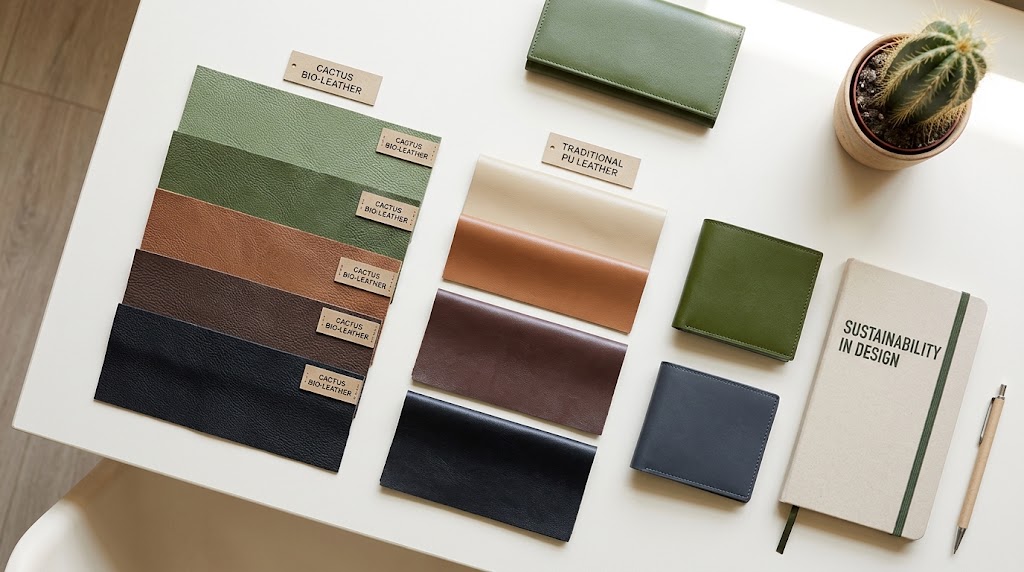
- Cactus Bio-Leather: Emerging as a frontrunner in eco-friendly alternatives, USDA bio-based cactus leather offers exceptional durability, a luxurious tactile feel, and a significantly lower carbon footprint.
- Traditional PU & Cork: While classic materials like premium PU and natural cork retain strong market demand for their versatility and cost-efficiency, integrating bio-based options allows brands to capture high-growth eco-conscious demographics.
Pro-tip for Buyers: When drafting your next product brief, consider hybrid collections that blend traditional genuine leather durability with bio-based statement pieces to test market response without overhauling your entire supply chain.
2. Documented Quality Control: Building Trust in a Competitive Market
Under Google’s latest search algorithms, authenticity and deep industry expertise are rewarded—and the same rule applies to physical commerce. B2B buyers and retail partners expect total visibility into how their products are made.
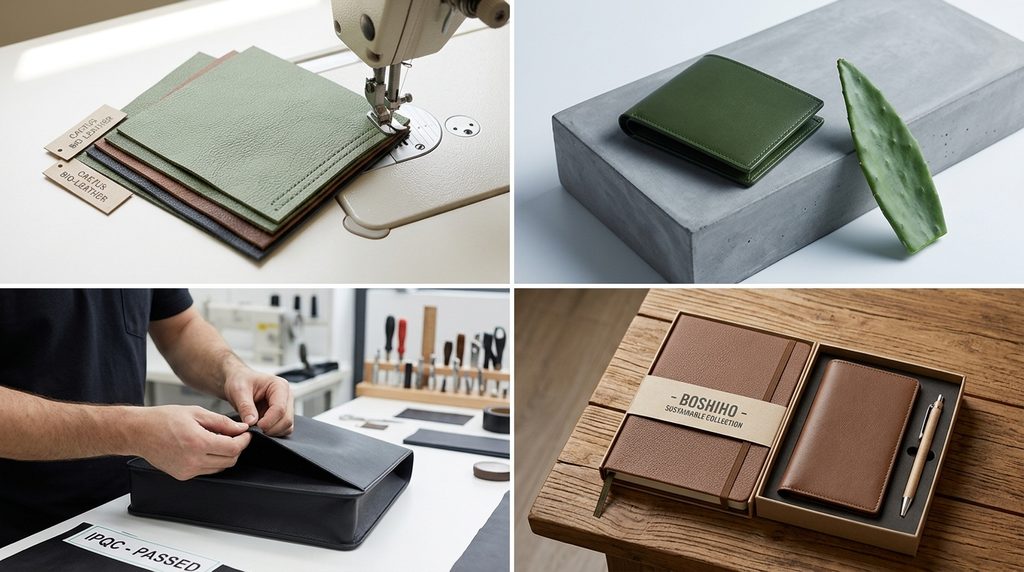
At BOSHIHO, quality isn’t left to chance; it is governed by a rigorous four-stage quality control framework:
- IQC (Incoming Material Inspection): Rigorous screening of raw hides, bio-materials, and hardware before production begins.
- IPQC (In-Process Workmanship Checks): Monitoring stitching precision, edge painting, and structural integrity on the line.
- FQC (Finished Product Inspection): Evaluating the final goods against design blueprints and tolerance thresholds.
- OQC (Pre-Shipment Recheck): Final verification before items are cleared for global fulfillment.
Transparency in manufacturing reduces return rates, protects your brand reputation, and builds long-term customer trust.
3. Agility for E-Commerce & Private Labels: Low MOQ and Fast Sampling
The e-commerce ecosystem moves fast, and supply chains must match that velocity. Traditional rigid manufacturing models with massive Minimum Order Quantities (MOQs) often lock up vital capital for emerging brands.
Modern OEM/ODM partnerships rely on flexibility:
- Rapid Prototyping: Turning initial sketches into physical samples within days.
- Channel-Specific Fulfillment: Ensuring everything from custom hangtags and dust bags to FBA-ready (Fulfillment by Amazon) packaging is mapped out during the initial product brief stage.
Partner with BOSHIHO for Your Next Collection
Whether you are launching a private-label line of minimalist wallets, scaling an eco-friendly crossbody bag collection, or looking for bespoke corporate gifts, BOSHIHO provides a seamless, one-stop OEM/ODM journey from design to doorstep.
Ready to elevate your product line?
Explore our latest collections or connect with our team today at wesley@boshiho.com or via WhatsApp to discuss your next custom leather sample.