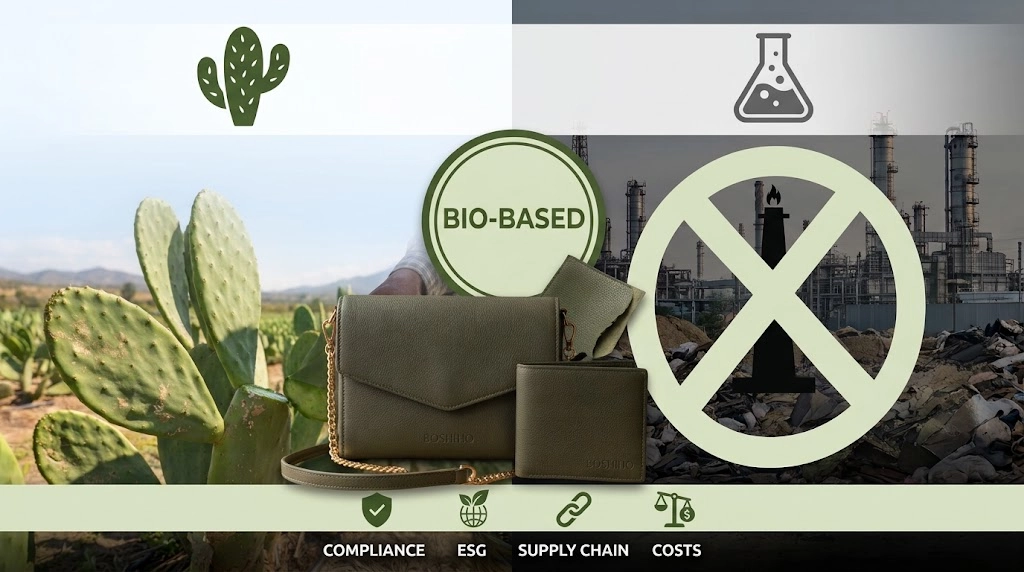
The term “Vegan Leather” was once the go-to buzzword for brands looking to appeal to eco-conscious consumers. However, the global fashion and luxury accessory landscape has shifted dramatically. European and North American buyers, driven by strict regulatory mandates (such as the EU Digital Product Passport and Corporate Sustainability Due Diligence Directive), no longer accept standard Polyurethane (PU) or PVC masquerading as “green.”
Traditional PU leather is essentially a petroleum-derived plastic coated on a synthetic backing. While low in initial material costs, traditional PU comes with major long-term vulnerabilities: peeling, cracking, high carbon emissions, and microplastic contamination.
Enter Cactus Bio-Leather (Nopal Leather)—one of the most commercially viable, high-performance plant-based leather alternatives on the market.
If you are a procurement manager, brand director, or OEM partner evaluating material transitions, here is the technical, financial, and environmental comparison between Cactus Bio-Leather and Traditional PU.
1. Material Origin & Chemical Footprint
| Parameter | Traditional PU Leather | Cactus Bio-Leather (Nopal) |
| Primary Raw Material | Fossil Fuel (Petroleum Crude Oil) | Organic Nopal Cactus Leaves + Bio-Polymer |
| Bio-Based Content | 0% (100% Synthetic) | 50% – 80% USDA Bio-Based Certified |
| Toxic Solvents (DMFa/Phthalates) | High risk (standard PU process) | 0% DMFa, Phthalate-free, Non-toxic |
| Water Requirement | High chemical process water | Rain-fed / Zero Irrigation Required |
| Biodegradability & End-of-Life | Non-biodegradable; releases microplastics | Partially biodegradable / Reduced plastic landfill burden |
The Cactus Edge:
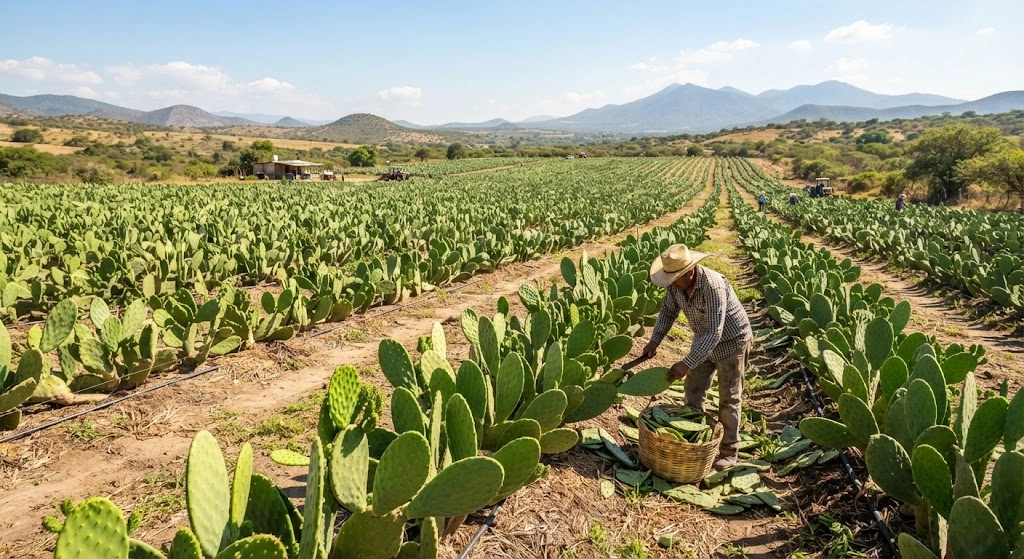
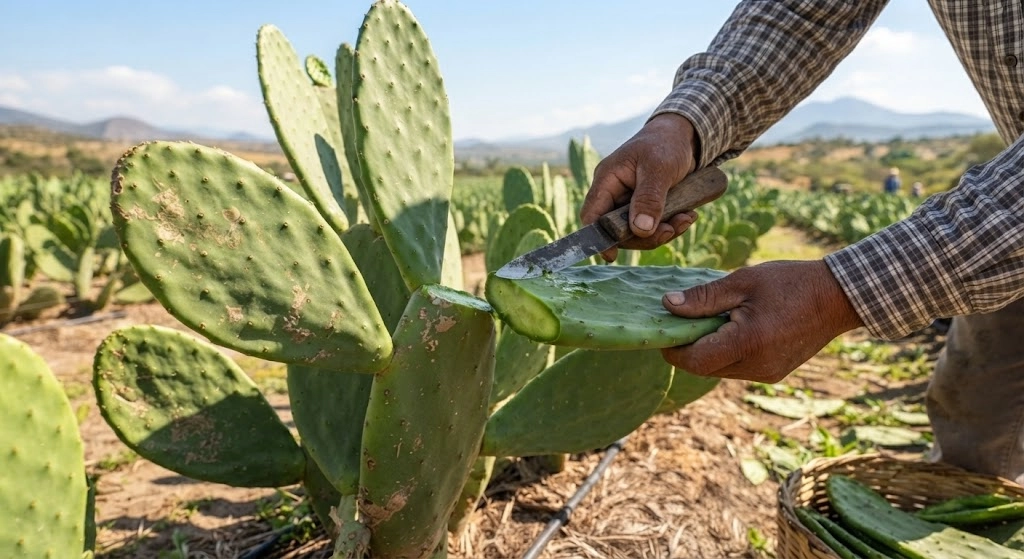
Nopal cacti are harvested naturally without killing the plant. Only mature leaves are trimmed every 6 to 8 months, allowing the plantation to act as a continuous natural carbon sink. Additionally, the sun-drying process requires zero energy-intensive industrial heating.
2. Physical Performance & Durability: Breaking the “Plant Leather is Fragile” Myth
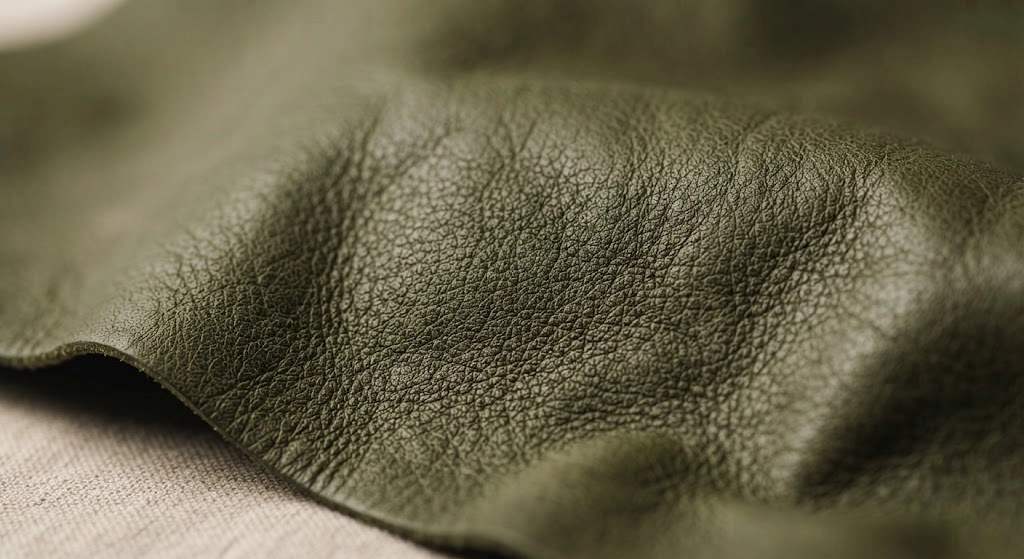
A major concern among procurement teams is whether plant-based alternatives can pass rigorous physical performance testing. Below is an overview based on standard ISO/ASTM laboratory benchmarks:
Hydrolysis & Peeling Resistance:
- PU Leather: Subject to moisture-induced degradation (hydrolysis), leading to surface cracking and peeling within 2–3 years.
- Cactus Leather: Highly resistant to humidity and hydrolysis, holding a functional lifespan of 5 to 10+ years with proper maintenance.
Abrasion & Flexing Test (Martindale / Taber):
- Cactus bio-leather easily withstands over 100,000 double rubs (Martindale), meeting demanding automotive, furniture, and premium luxury leather goods specifications.
Tactile Feel & Breathability:
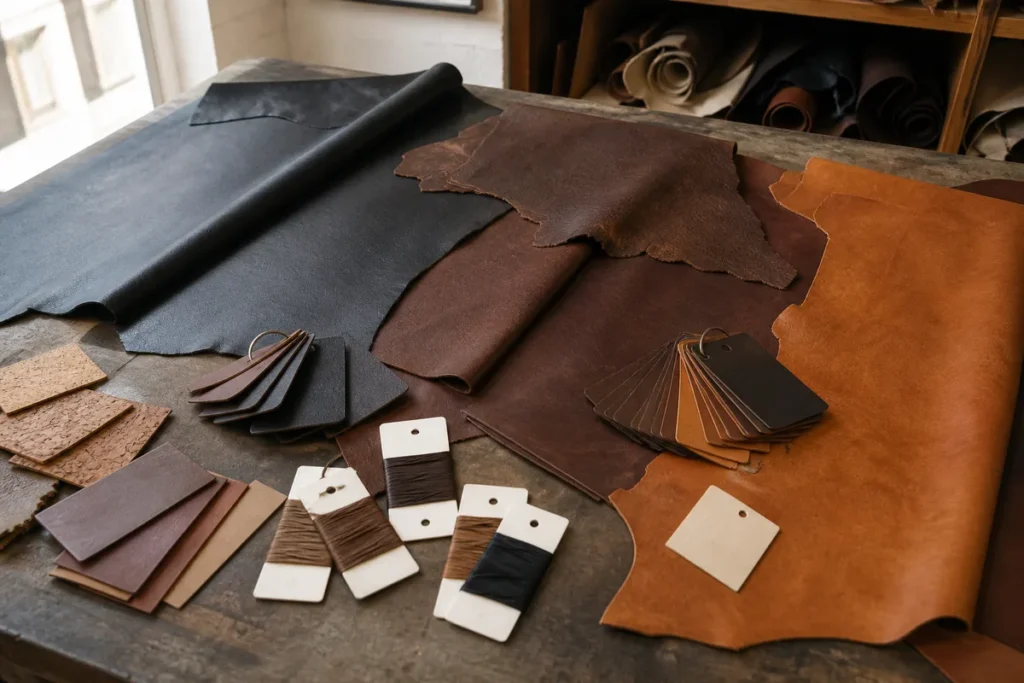
- Unlike standard PU, which feels rubbery and traps heat, cactus leather offers a soft, supple texture closely mimicking genuine calfskin leather, along with natural breathability.
3. What European & American B2B Buyers Need to Know

For overseas brands, sourcing material goes beyond product aesthetics. It is about risk mitigation, certification compliance, and narrative value.
Key B2B Buyer Considerations:
- International Certifications: Cactus leather suppliers typically carry USDA BioPreferred, PETA-Approved Vegan, OEKO-TEX Standard 100, and REACH compliance. These credentials protect your brand from European “Greenwashing” lawsuits and customs audits.
- Low Carbon Offset & ESG Metrics: High-end retailers require scope 3 emissions data. Cactus plantations absorb thousands of tons of $\text{CO}_2$ annually without artificial fertilizers or pesticides, providing concrete ESG data for your corporate reports.
- Customization Flexibility: Modern cactus leather can be customized across thickness (0.7mm – 1.5mm), backing fabrics (Organic Cotton, Recycled Polyester/GRS), custom Pantone colors, and embossed grains (Litchi, Saffiano, Smooth Nappa).
4. Cost Analysis & Sourcing ROI: Why the Premium Payoff Makes Sense
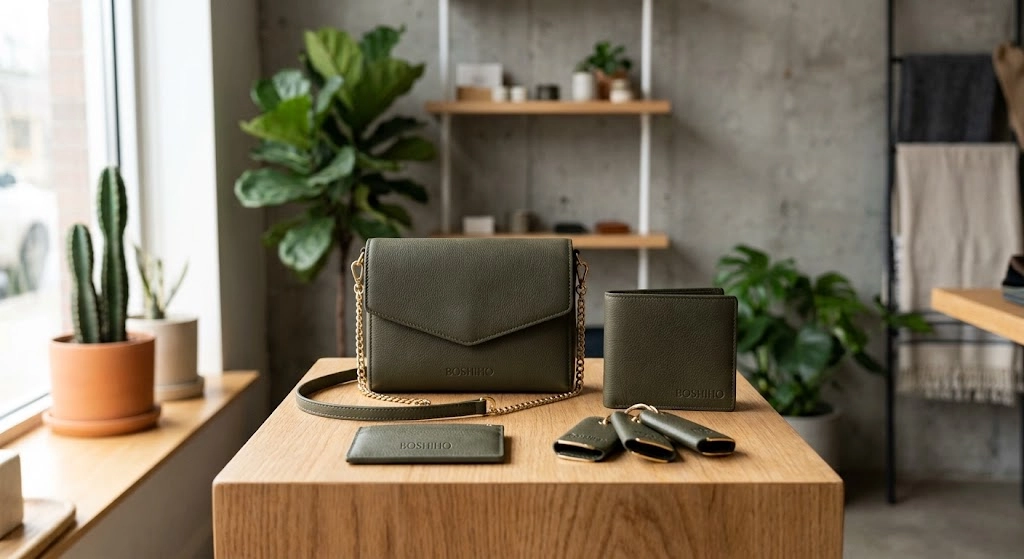
It is no secret that Cactus Bio-Leather carries a higher raw material price per meter than commoditized PU.
- Standard PU Leather: ~$3 – $8 / meter
- Cactus Bio-Leather: ~$25 – $45 / meter (depending on bio-content % and backing fabric)
Why Mid-to-High-End Brands are Making the Switch:
- Higher Retail Margins: End consumers in North America and Europe are willing to pay a 30%–60% premium for certified plant-based products compared to basic synthetic items.
- Reduced Return & Warranty Rates: Lower returns due to peeling or cracking compared to cheap PU bags/wallets.
- Brand Equity & B2B Contracts: Possessing certified sustainable materials opens doors to major department stores, boutique eco-retailers, and corporate gifting clients who strictly ban 100% petroleum synthetics.
5. How We Support OEM/ODM Brand Clients
As an experienced custom accessories and leather goods manufacturer, we bridge the gap between innovative raw material sourcing and finished product excellence.
- Free Sample Swatch Kits: Test our Cactus Leather tactile feel, thickness, and color options in person.
- Low MOQ Prototyping: Flexible sampling options for custom wallets, passport holders, handbags, and tech sleeves.
- Full Compliance Documentation: Complete supply chain certification and lab testing reports (Bally flex, color fastness, chemical testing) provided with every production run.
Ready to Upgrade Your Product Line with Bio-Based Innovation?
Transitioning from traditional PU to Cactus Bio-Leather is a strategic move to future-proof your brand against market shifts and environmental regulations.